

Eco-Friendly Home upgrades are more than a trend—they are a direct way to cut energy bills, shrink your carbon footprint, and boost comfort for years to come. But making sustainable improvements like installing double-pane, Low-E coatings goes beyond ordering new products. Understanding the real impact, cost, and what pitfalls to avoid is key to getting the highest return on investment.
Key Takeaways
- Switching to energy-efficient double-pane windows can reduce energy bills by up to 12% and cut CO₂ emissions by as much as 2,500 lbs annually.
- Payback periods vary by climate and window choice, with ROI timelines from 5 to 17 years and home value increases averaging 68% of upgrade costs.
- Understanding maintenance, climate considerations, and potential pitfalls is crucial before investing in any eco-friendly home upgrade.
The Core Concept
If your goal is to reduce energy loss and enhance the comfort of your home, modern double-pane windows with low-emissivity (Low-E) coatings are a proven, eco-friendly home solution. Single-pane windows allow heat to escape in winter and penetrate in summer, leading to wasted energy and higher bills. Double-pane systems feature two panes of glass separated by either air or insulating gas, while Low-E coatings reflect heat back into your space, stabilizing indoor temperatures and lowering HVAC demand.
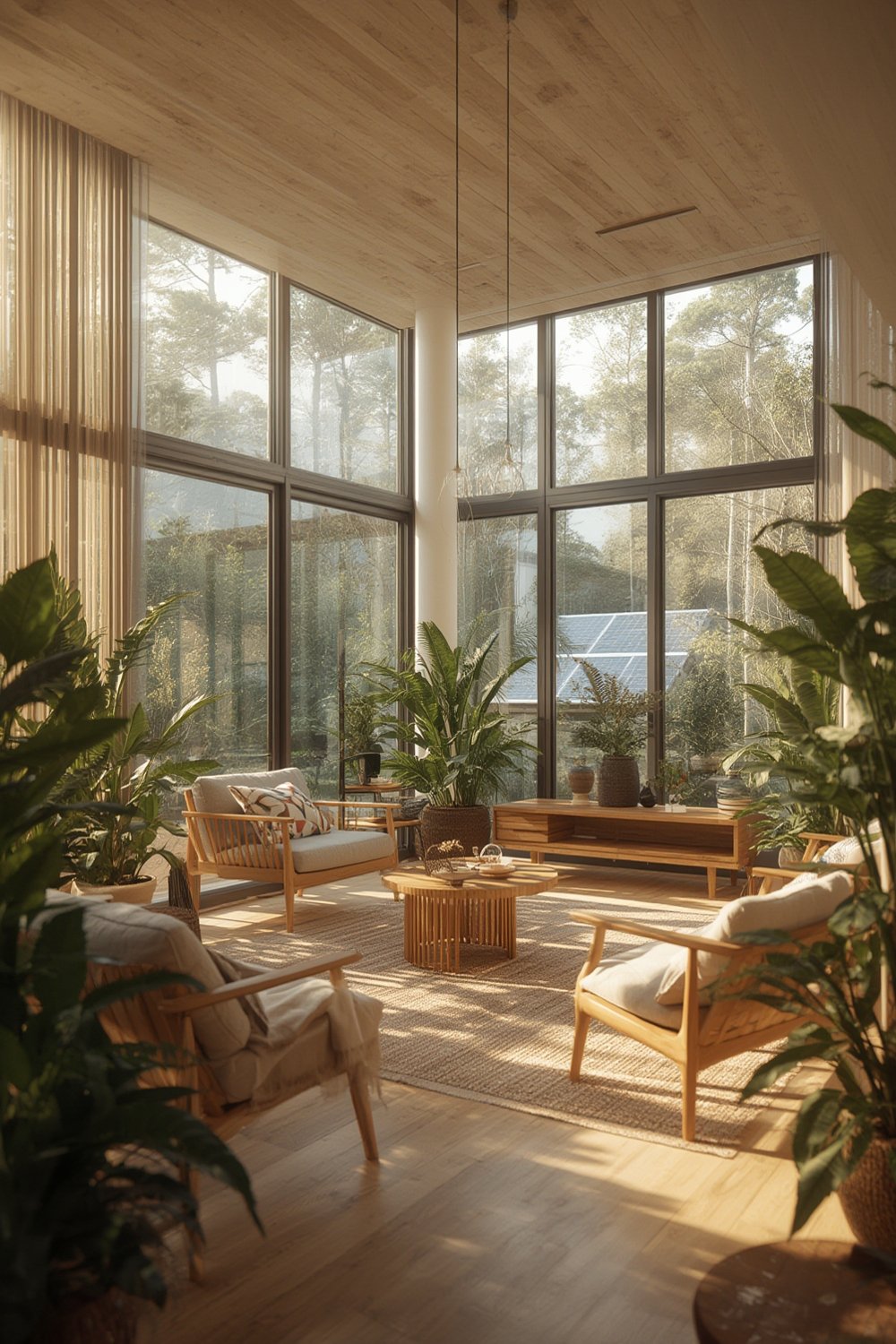
Industry data for 2024 confirms that upgrading to ENERGY STAR certified double-pane windows saves the average homeowner $366 per year in energy costs (source). That’s about a 12% reduction in utility bills, with a simultaneous drop in annual carbon emissions by up to 2,500 lbs (source).
Choosing this approach means weighing up-front costs against savings and resale value. According to Grand View Research, the residential energy-efficient windows market is projected to grow rapidly—proof that these improvements are resonating with homeowners. For anyone considering sustainable living, double-pane, low-E windows are often the most cost-effective starting point.
For a broader perspective on home upgrades, check out our beginner’s guide to interior improvements, where we discuss practical options for increasing energy efficiency and comfort in older homes.
Step-by-Step Guide
Cutting your energy bills and making your home more sustainable is doable, but results depend on methodical planning and smart choices. Here’s a step-by-step approach to installing energy-efficient windows and making your home truly eco-friendly.
-
Audit Your Current Windows
- Check for drafts, condensation, or visible damage—these are signs you’re losing energy.
- Determine if your panes are single, double, or outdated “double-glaze” models from prior decades.
-
Set Goals and Budget
- Decide if your priority is bill savings, carbon reduction, aesthetics, or all three.
- Expect double-pane low-E window projects to cost roughly $15,000-$20,000 for a 25-window two-story home or $280-$350 annually in savings for smaller projects. Triple-pane options cost 25-40% more but have higher climate zone benefits. (details).
-
Choose the Right Window and Low-E Glass Grade
- Consult your installer about Low-E grades—standard versus advanced, or soft-coat versus hard-coat—depending on your climate and sun exposure. Ask for certified specs: U-Factor, SHGC, and Visible Transmittance.
- See if local guidelines or sustainable home improvement resources offer special requirements for historic homes or certain materials.
-
Understand the Full Installation Process
- Arrange for professional installation to protect your warranty.
- Plan for 2-3 days of work, depending on window count.
- Ask about post-installation cleanup and debris removal.
-
Register and Track Your ROI
- Keep receipts and window certifications. ENERGY STAR products can increase resale value by 68% of project cost (latest data).
- Document actual before-and-after energy bills for your records and possible future incentives.
-
Plan for Ongoing Maintenance
- Review the warranty and keep a short checklist for annual inspection—clean tracks, check seals, and look for fogging or condensation between panes (which can signal seal failure).
- Need more DIY advice? See our beginner-friendly home improvement guide for maintenance tips.
Want targeted upgrades for kitchens or bathrooms along with windows? Our remodeling ideas post gives actionable suggestions that pair well with window improvements for a holistic eco-friendly home upgrade.
Advanced Analysis & Common Pitfalls
Energy-efficient windows are high-tech, but no solution is perfect. Here are the biggest pitfalls buyers often face—and how to steer clear of regret.
-
ROI Timelines Can Be Disappointing
If you live in a milder climate, payback on double or triple-pane windows can be slow (11-17 years in colder regions, sometimes longer in southern climates). -
Seal Failure and Lost Performance
Over time, seals between panes can degrade, leading to condensation or fog and requiring costly replacement. -
Low-E Glass Differences Matter
Some manufacturers use only basic Low-E treatments, reducing long-term savings. “Cheap” windows may not meet the stated efficiency; always ask for specific glass ratings. -
Maintenance Can Affect Savings
Dust, dirt, and neglected seals hurt window performance. Skipping regular cleaning and inspection can eliminate the benefits you invested in. -
Climate Mismatch
In the far north, triple-pane makes sense, but in dry, mixed, or southern climates, extra cost rarely pays off.
| Window Type | U-Factor | SHGC | Annual Savings | Avg. Payback (Years) | Upfront Cost 25 Windows |
|---|---|---|---|---|---|
| Double Pane Low-E | 0.25-0.30 | 0.25-0.30 | $280-$366 | 11-16 | $15,000-$20,000 |
| Triple Pane Low-E | 0.15-0.25 | 0.20-0.25 | $420-$580 | 5-7 | $20,000-$27,500 |
Government rebates, incentives, and green certifications can dramatically improve ROI. However, 2024-2026 programs may not be directly available or are hard to find. Always consult with local energy authorities and push installers to check for regional incentives.
For more ideas on blending smart tech with energy savings, don’t miss our Smart Home Devices guide that integrates eco-friendly strategies and security upgrades.
Conclusion
Upgrading windows is one of the most practical Eco-Friendly Home improvements, delivering measurable value, comfort, and sustainability benefits—if you avoid common mistakes and set realistic expectations. Double-pane low-E windows usually make the most budget sense for the majority of U.S. climates. Prioritize smart planning and regular maintenance so your investment pays continuous dividends long after installation.
Ready to transform your home? Start with an audit, compare options, and download our in-depth checklists in our practical renovation guide. Take your next step toward lower bills and a cleaner planet—small changes add up fast.
FAQ
How much can I really save by installing double-pane, low-E windows?
The average U.S. homeowner saves $126–$465 per year, with most seeing about $366 annually in energy bill reductions. Results vary by climate and existing window type.
Do energy-efficient windows increase home value?
Yes. ENERGY STAR-rated upgrades typically return about 68% of costs in resale value, and buyers often pay more for homes with eco-friendly features.
What happens if window seals fail after installation?
Seal failure often leads to fogging or condensation between panes, lowering efficiency. Most products have multi-year warranties, so prompt inspection and claims are important.
Are there recent incentives or rebates for window upgrades?
Some regions offer tax credits or rebates, but availability depends on location and changes yearly. Ask your installer and check with local energy agencies for 2024-2026 programs before purchase.
Is triple-pane worth it in warmer climates?
Usually not. The extra cost of triple-pane windows is rarely recouped in mild or warm regions; double-pane low-E is generally the smarter investment in those areas.