

Eco-Friendly Home upgrades are more popular than ever, but the reality of choosing sustainable flooring is often more complex than it seems. If you want a genuinely eco-friendly renovation—with less greenwashing and more real-world results—this guide lays out what you need to know before you buy or install any new flooring.
Key Takeaways
- Sustainable flooring is growing rapidly worldwide, especially bamboo, cork, and recycled materials, but comes with high costs and market shortages.
- Look for certifications like Cradle-to-Cradle, LEED, and EPDs to ensure flooring products are truly sustainable.
- Common pitfalls include material shortages, ambiguous durability claims, and confusion about government incentives.
- What Is an Eco-Friendly Home? Why Sustainable Flooring Matters in 2024
- How to Select & Install Sustainable Flooring: A Realistic, Step-by-Step Guide
- Advanced Analysis & Common Pitfalls of Eco-Friendly Home Flooring
- Conclusion
- Frequently Asked Questions
What Is an Eco-Friendly Home? Why Sustainable Flooring Matters in 2024
An eco-friendly home is designed or remodeled with materials and systems that reduce harm to the environment, lower resource use, and improve indoor health. In 2024, sustainable flooring—made from renewable, recycled, or low-emission materials—has become a central focus for eco-conscious homeowners. These options, including bamboo, cork, and recycled flooring, are market leaders for those seeking to cut their carbon footprint while maintaining durability and style.
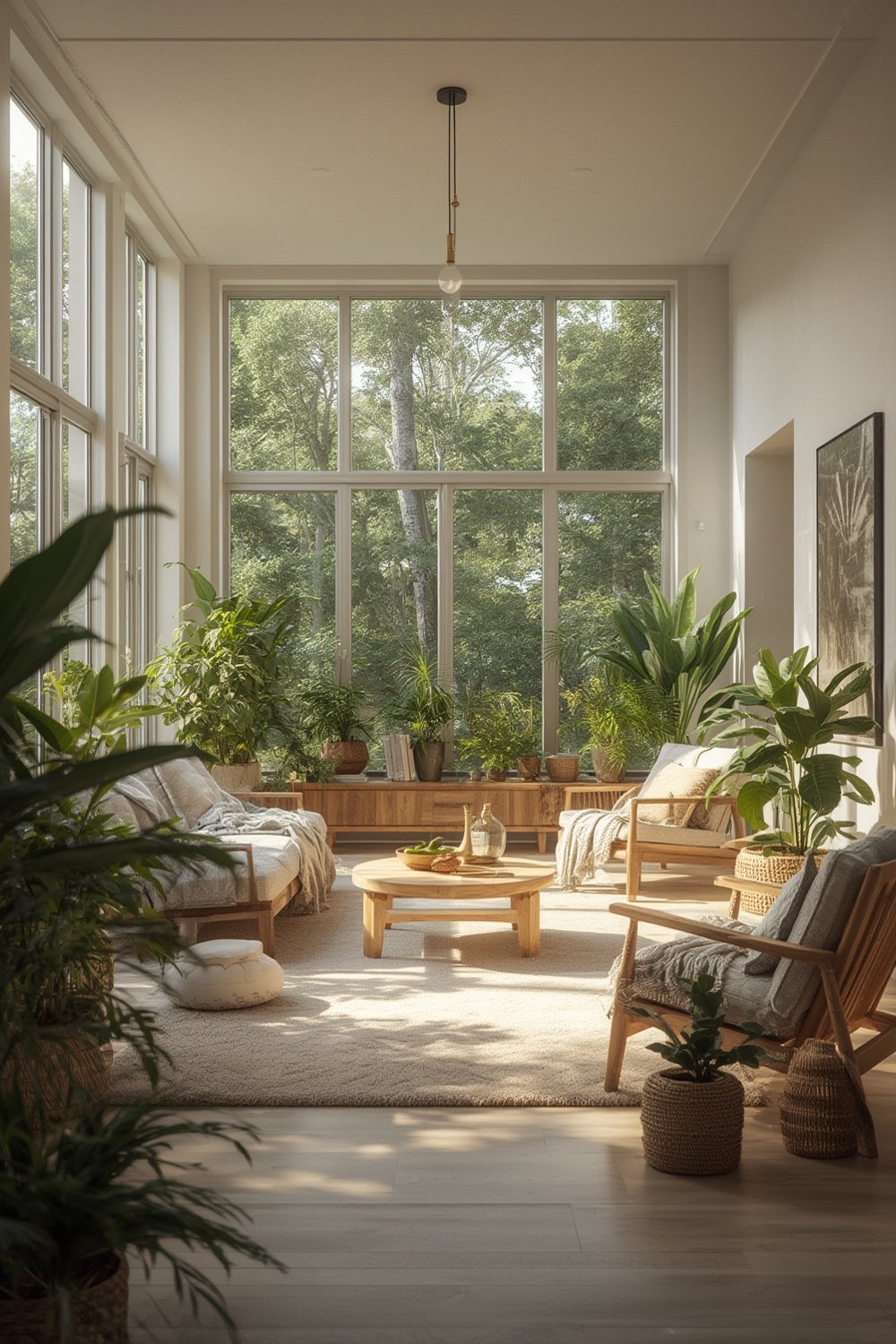
The global sustainable flooring market was worth $68.8 billion in 2022 and is projected to grow at over 7 percent annually through 2030, with North America and Europe currently leading the trend.[Source] Growth is fueled by consumer demand for healthier interiors, interest in green certifications, and the push for durable, long-lasting materials that avoid toxins and minimize waste. New build and renovation trends focus heavily on bio-based or recycled content, low-VOC adhesives, and water-resistant surfaces.
If you’re new to home upgrades or just starting to plan, check out our home improvement guide and DIY tips for budget renovations to build your foundational knowledge before diving deeper into sustainable flooring solutions.
How to Select & Install Sustainable Flooring: A Realistic, Step-by-Step Guide
Sustainable flooring can upgrade your space, but a strategic approach makes all the difference. Here are clear, direct steps to ensure your eco-friendly home project delivers real value—and avoids the biggest pitfalls.
-
Set Clear Priorities:
- Decide what matters most: indoor air quality, recycled content, organic adhesives, or maximum durability?
- Reference floor use (high-traffic, moisture), installation type (DIY vs. professional), and your aesthetic vision.
-
Compare Sustainable Materials:
- Bamboo: Fast-growing, highly renewable, durable, but initial manufacturing can be energy intensive.
- Cork: Bio-based from tree bark, naturally antimicrobial, flexible underfoot, good for quiet zones.
- Recycled: Made from rubber, reclaimed wood, or old carpet fibers—diverts waste, can have unique looks and performance.
Find a more detailed breakdown of flooring types and home improvement planning in our flooring ideas guide.
-
Check for Certifications:
- Cradle-to-Cradle and LEED certified products meet strict health and sustainability benchmarks.
- EPD-labeled flooring lets you compare carbon impacts across brands.
-
Budget Realistically:
- Expect higher upfront costs for certified eco flooring. Bamboo and cork typically cost more than basic laminates or vinyl.
- Factor in lifetime value: long-lasting, low-maintenance flooring can pay off over many years, though hard data varies by brand and install method.
-
Vet Your Installer:
- If you’re not DIY-ing, choose a contractor with proven experience in sustainable flooring. Ask about their glue and finish choices—insist on low-VOC adhesives, formaldehyde-free products.
-
Plan for Aftercare & Disposal:
- Know how to maintain: cork and bamboo have specific cleaning needs, and heavy water or sunlight can damage them if not properly sealed.
- Research local recycling or repurposing programs for old flooring to avoid landfill disposal.
If you’re upgrading kitchens or bathrooms, see our guide on kitchen renovation ideas and bathroom upgrades for integrated sustainability tips.
For additional ideas on affordable eco upgrades and improving efficiency, don’t miss our feature on modern home improvements and renovation strategies.
Advanced Analysis & Common Pitfalls of Eco-Friendly Home Flooring
Making your home environmentally friendly with sustainable flooring isn’t without tradeoffs. Below, you’ll find problems to watch for, plus a comparison to help clarify the real differences between eco-friendly and conventional options.
Common Pitfalls After Installing Sustainable Flooring
- Material shortages: Bamboo, cork, and recycled flooring have not reached the scale of traditional flooring industries. The result: delays, limited styles, and sometimes price volatility.[Source]
- High initial costs: Certified products often require a higher upfront investment, with limited price drops due to demand and manufacturing capacity.
- Overhyped durability claims: Durability varies by product, and long-term wear data for newer eco floors is limited. Not all bamboo or recycled flooring outlasts hardwood.
- Possible finish or chemical issues: Some imported or low-cost “green” floors still use non-renewable finishes or glues with higher VOCs.
- Unclear government incentives: There are broad green infrastructure schemes, but few direct rebates or tax credits just for sustainable flooring.[More info]
Eco vs. Traditional Flooring: Side-by-Side Comparison
| Material | Initial Cost | Durability | Air Quality (VOCs) | Certifications Available | Track Record |
|---|---|---|---|---|---|
| Bamboo | Medium to High | Good (varies by processing) | Low (if certified, can be moderate otherwise) | LEED, Cradle-to-Cradle, EPD | 15+ years, not as long as solid hardwood yet |
| Cork | Medium | Fair to Good | Low | LEED, Cradle-to-Cradle, EPD | 10–20 years; sensitive to dents and sun |
| Recycled Material | Medium to High | Varies (better with EPD-certified brands) | Very Low | LEED, EPD | 10+ years, needs research |
| Traditional Hardwood | High | Excellent | Variable (formaledehyde concerns) | Some (FSC, but not always green or low-VOC) | 50+ years |
| Vinyl/Laminate | Low | Fair | Often High (unless low-VOC products) | Few | 20–30 years |
Take time to research how these pros and cons relate to your specific room and lifestyle needs. Many DIYers and upgrade-focused homeowners rely on project planning guides, like our flooring and renovation planning article, to avoid disappointment.
Conclusion
Choosing the best path toward an eco-friendly home means being realistic about current market tradeoffs, up-front costs, and the complexity of “green” claims in flooring. If you prioritize certified materials, ask deeper questions, and plan your install and aftercare carefully, you can achieve a healthy and environmentally responsible result. Take action today: investigate EPDs and certifications, and make sure your Eco-Friendly Home project actually delivers on its promise.
Ready to take your next step? Explore more on smart home upgrades or dive into budget-conscious DIY ideas to enhance every corner of your house with purpose.
Frequently Asked Questions
Is bamboo flooring always the most sustainable option?
Not always. While bamboo is fast-growing and renewable, some products use energy-intensive processing or non-green adhesives. Look for third-party certifications and EPDs to be sure.
How long do bamboo, cork, and recycled floors really last?
Bamboo and cork can last 10–20 years if cared for, while recycled flooring durability greatly depends on composition and brand. High-quality traditional hardwood outlasts most, but not all, green floors.
Are there health benefits to choosing eco flooring?
Yes—many sustainable options use low-VOC adhesives and finishes, which can improve indoor air quality and reduce exposure to harmful chemicals. However, check certificates and verify each product’s claims.
Do I qualify for government rebates or tax credits for eco flooring?
As of 2024, there are broad green building initiatives, but few direct rebates or tax incentives specifically for sustainable flooring. Check for updates at the city or state level as regulations change.
What’s the best way to dispose of old flooring sustainably?
Contact your local recycling or waste authority for repurposing programs. Some materials like solid wood and certain recycled floors can be reused or recycled, but adhesives or coatings may complicate disposal.